The method

Demand first.
Then the words.

Every run makes the same six moves, in the open, in this order. Here is what each one does and what you can check when it lands.

One topic in. Evidence out.

Most writing tools start at a blank box and a confident tone. A run starts at the argument already happening: the thread nobody answered properly, the question asked four hundred times, and only writes once it can show the topic is worth writing. Nothing below is hidden behind a spinner: each move leaves its numbers on the page.

01

Mine real demand

We read public discussion threads, video pages and open-web pages on your topic and pull the whole conversation, not just the titles. A live argument counts for more than a quiet three-year-old post, and a thread that never got a real answer counts for more than one that did. What you can check: every source stays attached to the run, with a link back to the original.


Step 01
Hundreds of paper speech bubbles rising into a wide sky
02

Find the diamond topic

Hundreds of scattered complaints get clustered until the handful of questions people keep circling back to falls out. That cluster becomes the piece. It is frequently not the topic you typed. It is the sharper one underneath it, and the run tells you when it has moved. What you can check: the cluster, its size, and which threads landed in it.

Step 02
Scattered scraps spiralling into a single bright point
03

Put a number on it

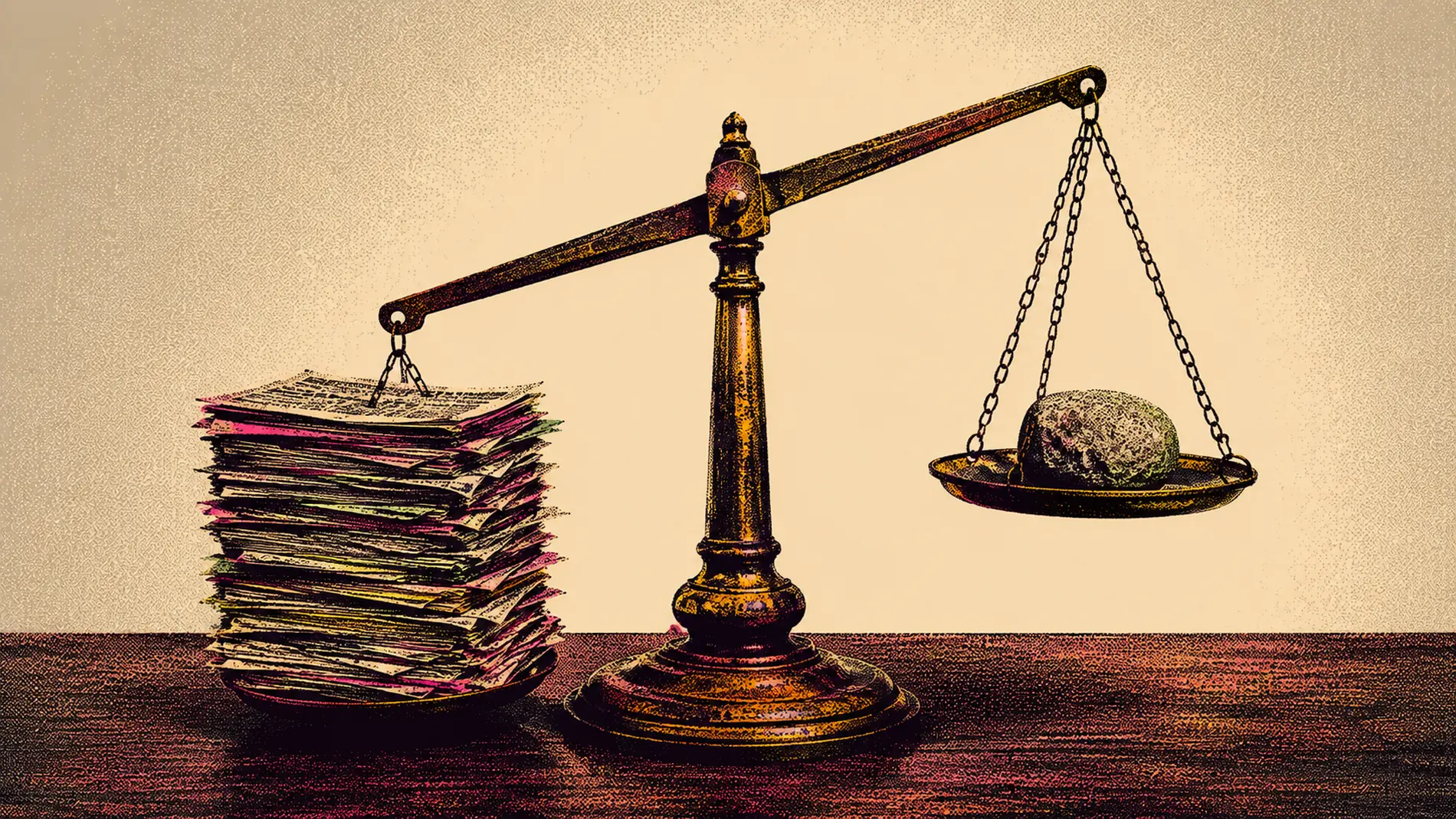
Before a word is drafted the run measures how much of what it read circles the same problem, and publishes that figure. This is the step most tools skip, and it is what lets you judge the demand before you spend a slot on the calendar. What you can check: the convergence figure and every thread it was measured over.

Step 03
A balance scale weighing a stack of pages against a stone
04

Rank the keywords

Keywords are derived from the words real people used, ranked by how often they appeared next to real intent rather than by a volume estimate bought from a third party. Phrasings that only exist in marketing copy do not survive this step. What you can check: each keyword with the threads it was lifted from.

Step 04
Index cards pegged along a wire, largest to smallest
05

Angles and outline

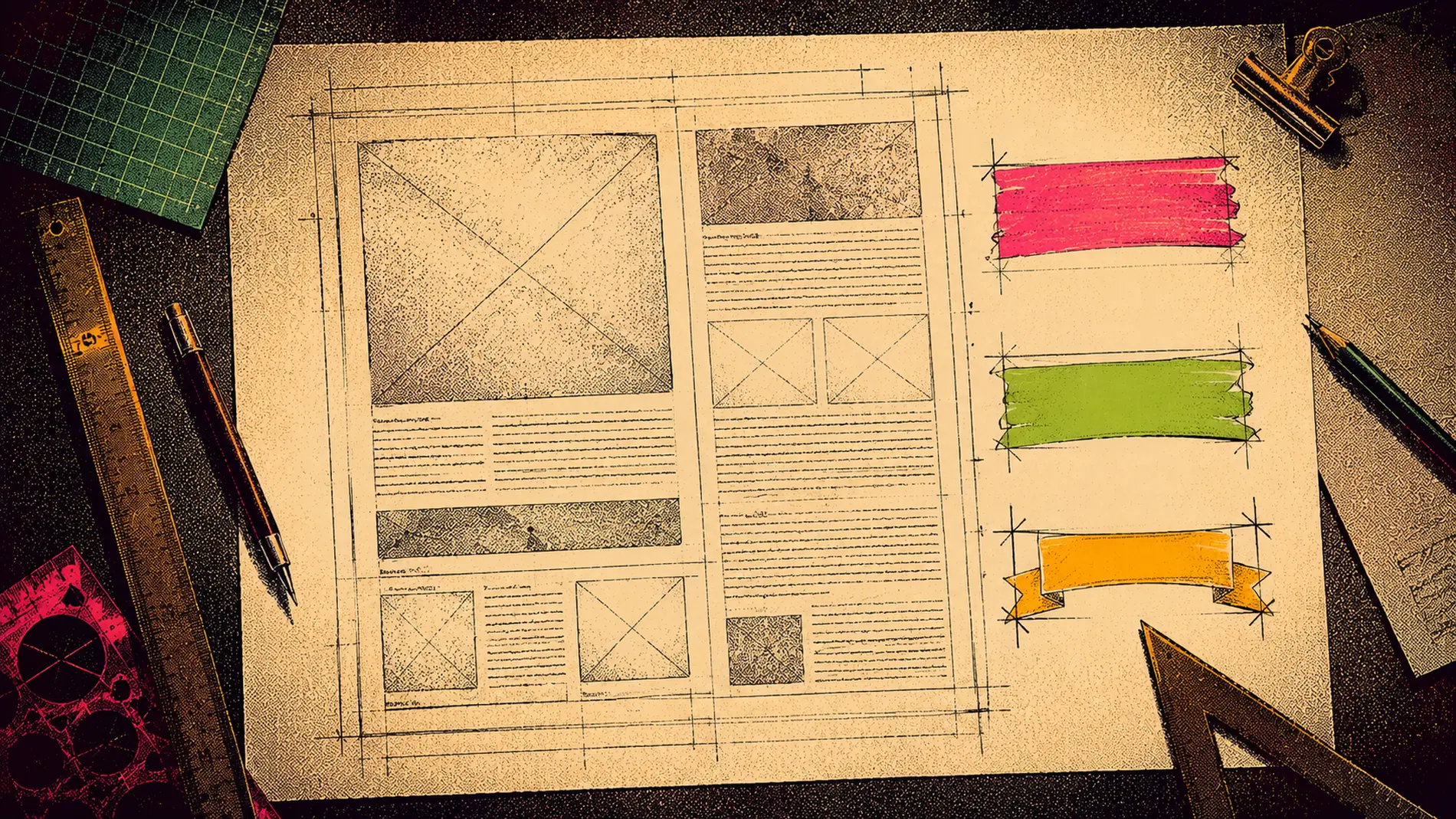
Headline options and a section-by-section outline arrive before the draft, so you can overrule the direction while it is still cheap to change. Each section carries the demand it is answering, which makes it obvious when one is padding. What you can check: why each section exists, in one line.

Step 05
A blueprint of a magazine page on a drafting table
06

Write it and ship it

The full draft is written in your voice at your length, working from the outline and the evidence rather than from the model's memory. You get publish-ready HTML and Markdown, SEO meta and JSON-LD, with citations still attached to the claims that came from a thread. What you can check: any claim taken from a thread, back to that thread.

Step 06
A finished sheet lifting off a printing press

What a run
actually costs you

Less than you would think, and never for work you did not get.

Charge on success

You pay for finished pieces

Credits are held when a run starts and only spent when it produces something you can publish. A run that fails or stalls returns the hold in full, and stopping one part way charges only the work already done. We absorb the rest; it is priced into the plans.

See pricing
Evidence, not vibes

A number you can argue with

When a topic barely converges, the figure says so and the threads are right there to check. That is a cheaper way to find out than three weeks after publishing.

How runs work
Everything is kept

The reading survives the run

Threads, excerpts, clusters, scores and the reasoning stay attached to the run after the piece is exported, so the case for the piece survives the piece.

What you export
Every claim cites the figure it came from.

That single rule is what separates a run from a prompt. It is why the pipeline is fixed rather than freeform, why convergence is a published number rather than a vibe, and why nothing gets written until the reading is done. If you want to see it happen rather than read about it, start a run and watch one happen.

Get started

Put real demand behind
your next post.

Start a run

See it work

Watch a finished run,
start to finish.

See a sample run